Ask for the install detail
Bore, keyway, shaft access and guard clearance shape the final choice as much as tooth count.
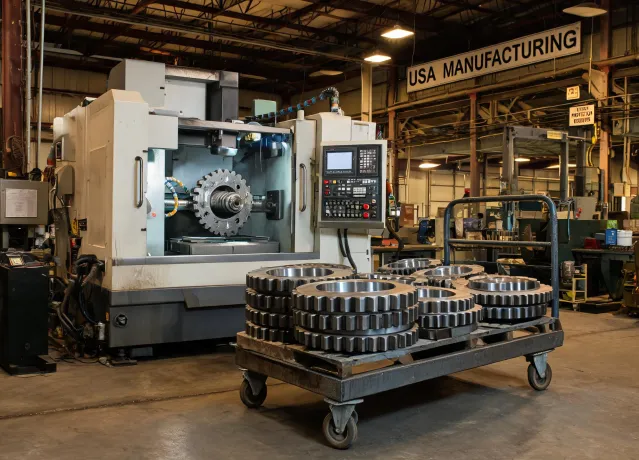
Martin Sprocket & Gear is treated here as a practical power transmission partner for people who maintain conveyors, package lines, elevators, washers and OEM machinery. The brand promise is not a broad claim of being everything to everyone. It is a clear path from chain size, tooth count and bore detail to a component that can be quoted, finished and installed with fewer surprises.
Power transmission buyers often arrive with imperfect information: a worn sprocket, a partial part number, a shaft measurement taken during a short stoppage or a conveyor that has been modified more than once. A helpful supplier has to translate that situation into concrete engineering questions. Is the chain ANSI B29.1? Is the hub style reversible? Does the bore need a finished keyway? Is a split sprocket safer than removing a shaft? Those are the questions this site brings forward.
The friendly advisor persona matters because a sprocket replacement can involve maintenance, purchasing, safety and operations at the same time. The content avoids dramatic claims and focuses on small useful checkpoints: chain pitch, rpm, load behavior, lubrication, corrosion exposure, guard clearance and the date the line must restart. That makes the experience less like browsing a catalog and more like preparing a work order that a distributor or spec engineer can actually use.
"Good power transmission support starts before the quote, when the missing detail is still easy to ask for."
Bore, keyway, shaft access and guard clearance shape the final choice as much as tooth count.
Finished bore and split replacement options are framed around practical downtime limits.
ANSI B29.1, AGMA references and documented assumptions stay close to product language.
Requests are worded so channel partners can quote without decoding vague application notes.
Transmission components move through a practical network of plants, distributors, OEM buyers and maintenance crews. The strongest contribution a site like this can make is to reduce uncertainty before those teams exchange documents. Clear forms, plain product groupings and application-focused language help a maintenance planner ask for the right help the first time.
That approach also supports more responsible operations. Correctly selected sprockets and sheaves reduce repeat freight, avoid unnecessary rush shipments and prevent premature wear that sends usable chain or belt systems into early replacement. In everyday terms, better drive data creates less waste and fewer emergency calls.
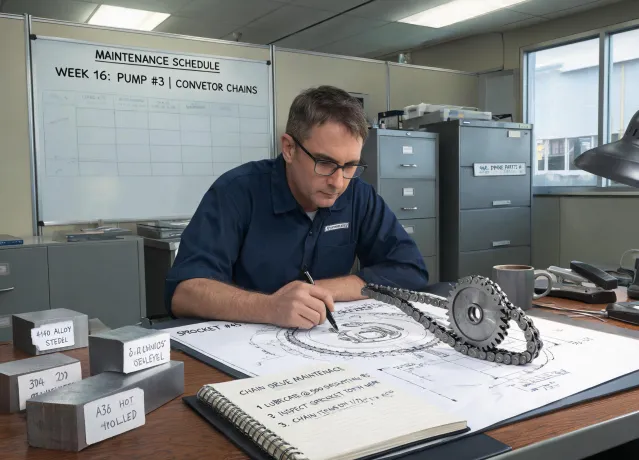
Send the data you have. We will help organize the missing details before the request goes to quote.